
Narrative poem1890s
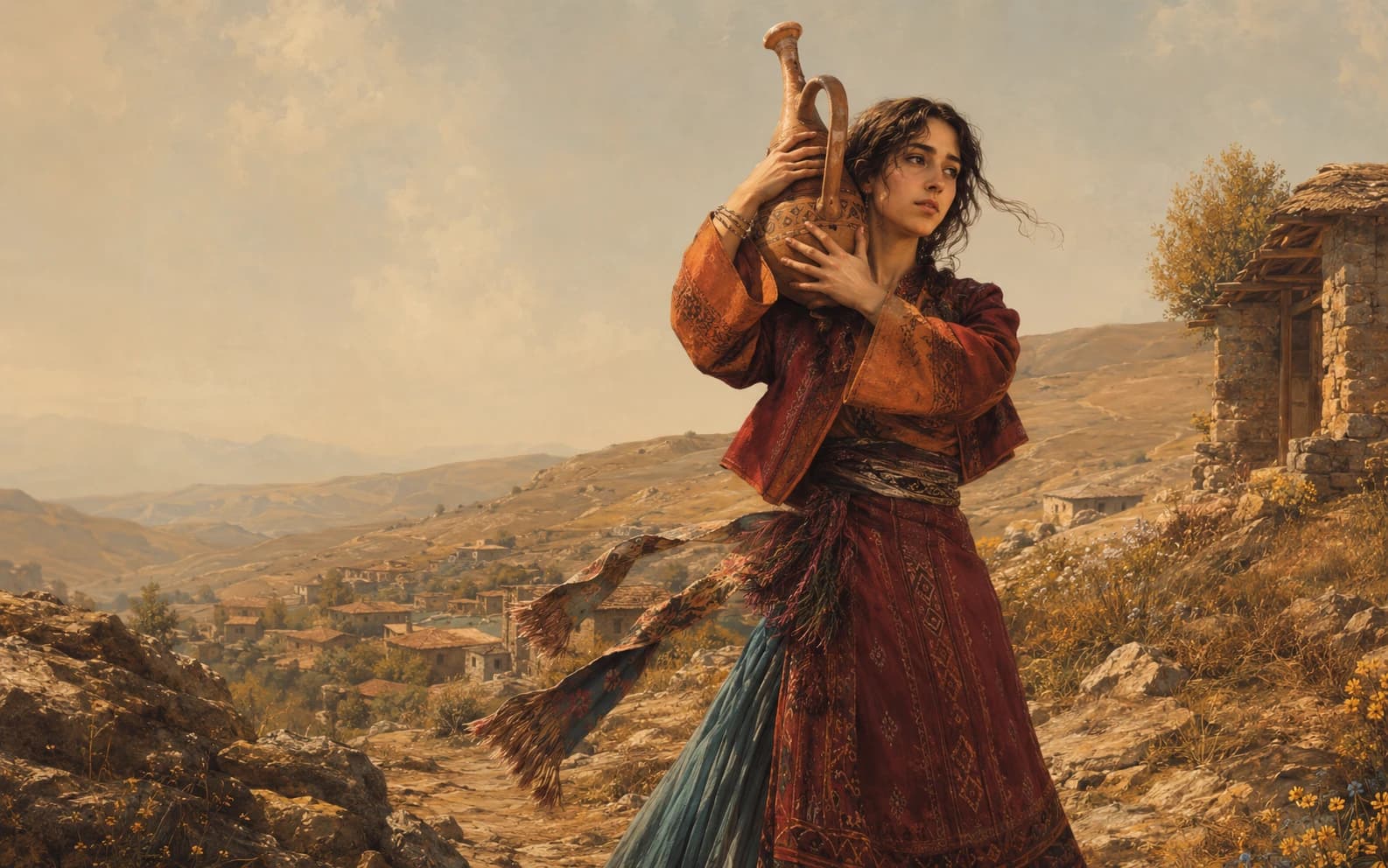
Anush
Hovhannes Tumanyan
A young shepherd and a village girl fall in love, and an old code of honour turns a moment of play into tragedy. This is Tumanyan's best-known poem, later set as Armenia's national opera.
Read the summaryWhat happens in the story, who the characters are, when it was written and what it is really about. Each article gives the context a reader needs before opening the book — and the arguments a student needs after finishing it.
10 works available
Featured work
Hovhannes Tumanyan · 1890s
A young shepherd and a village girl fall in love, and an old code of honour turns a moment of play into tragedy. This is Tumanyan's best-known poem, later set as Armenia's national opera.
Read the summaryAll works
Poems, novels and epics that shaped the modern Armenian literary language.
Hovhannes Tumanyan
A young shepherd and a village girl fall in love, and an old code of honour turns a moment of play into tragedy. This is Tumanyan's best-known poem, later set as Armenia's national opera.
Read the summary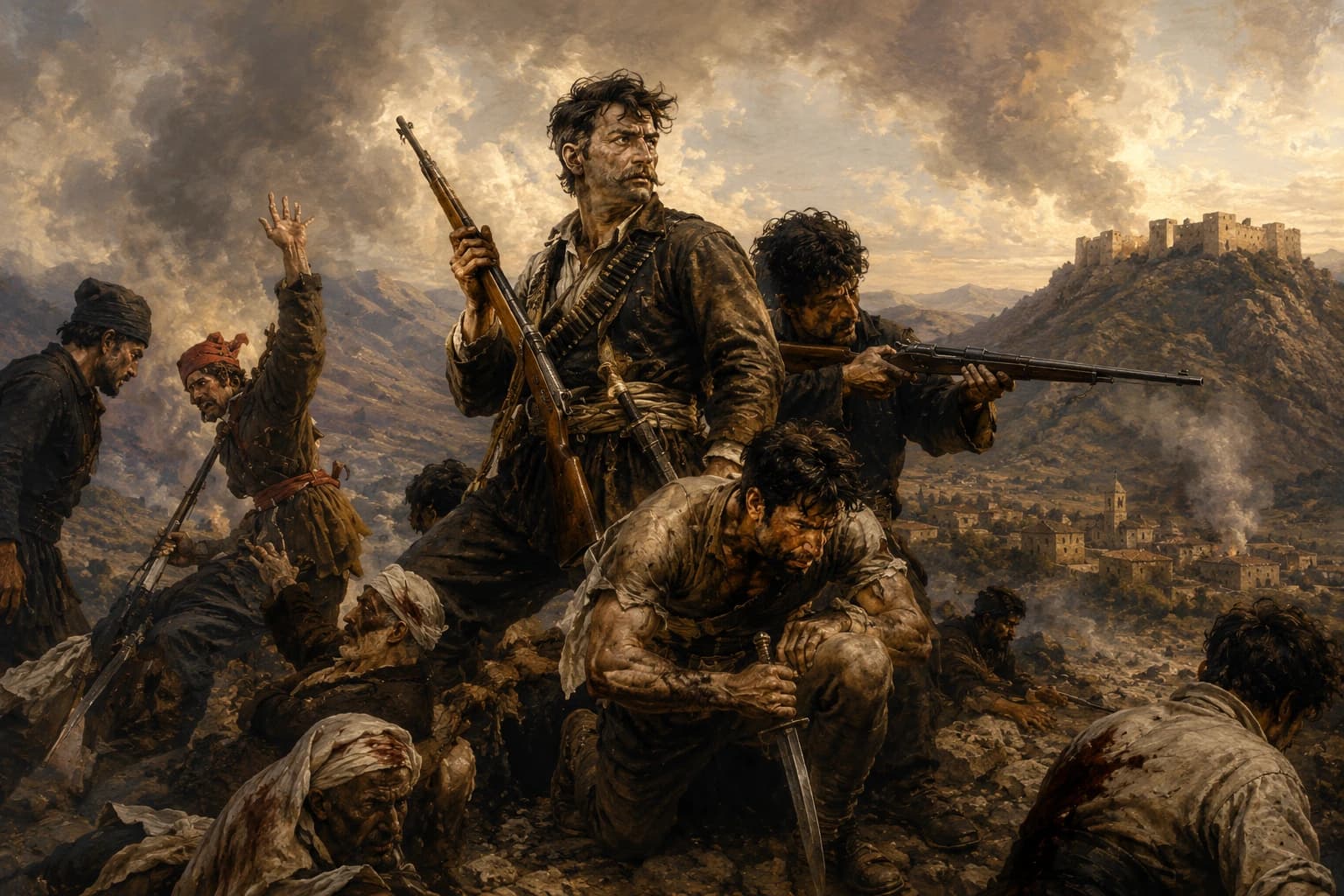
Khachatur Abovyan
The first novel written in modern spoken Armenian. It follows a village caught up in the Russo-Persian war and argues that ordinary people make history.
Read the summary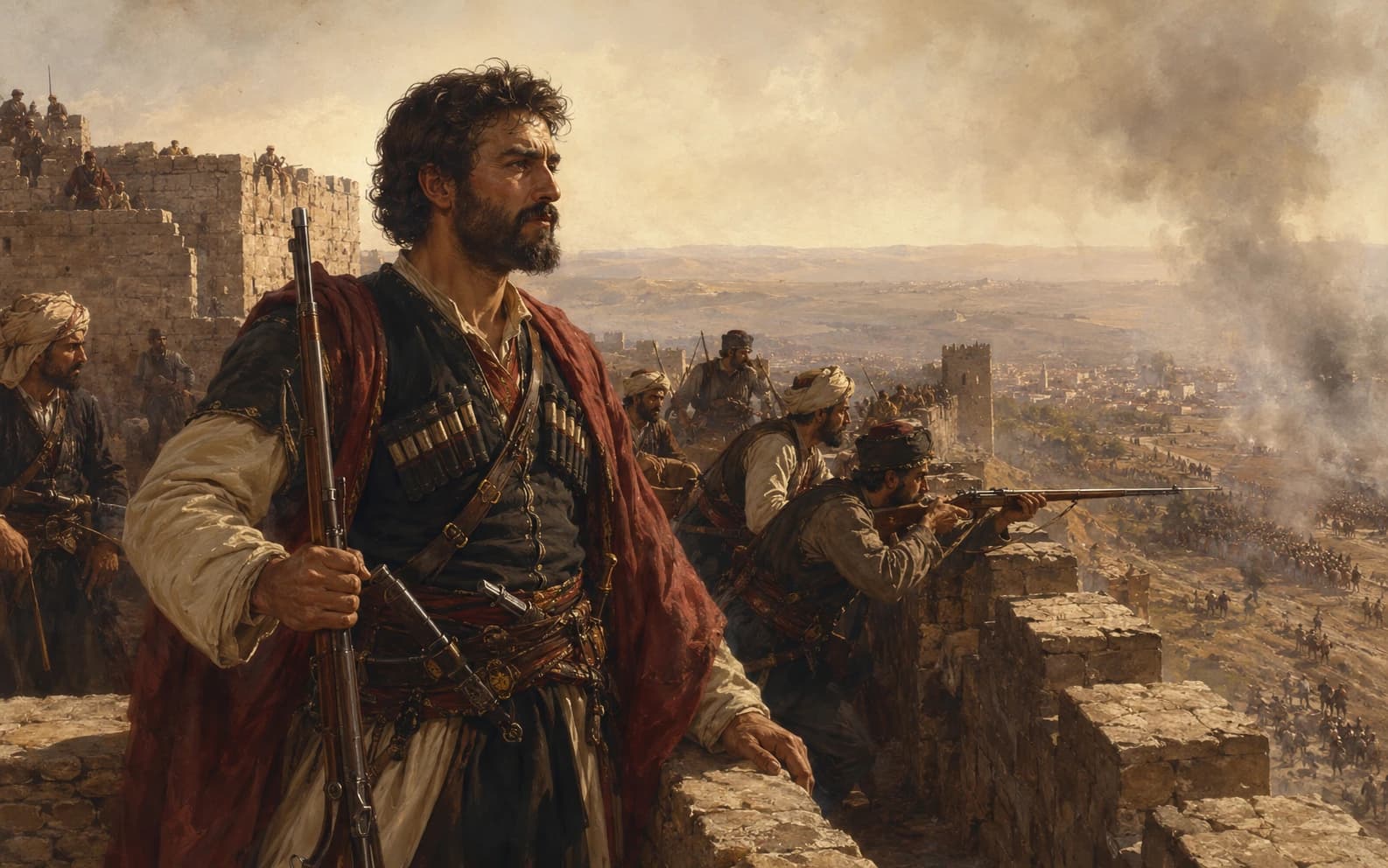
Raffi
Set during the Russo-Turkish war of 1877–78, Raffi's novel follows a young man his neighbours dismiss as a fool, though his clear sight makes him the only realist among them.
Read the summary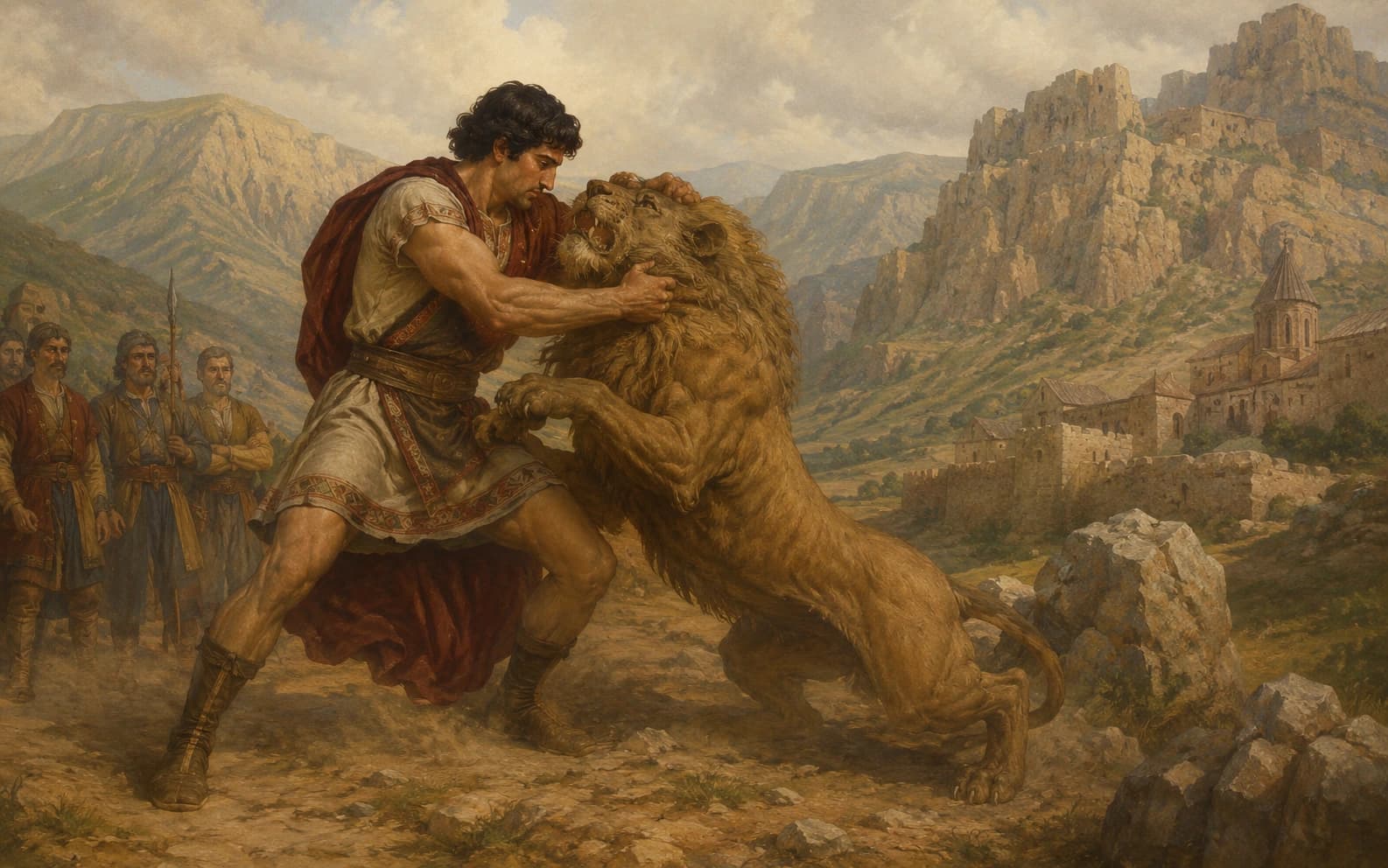
Anonymous, oral tradition
Armenia's national epic tells of four generations of heroes from Sassoun who defend their mountain homeland. Storytellers carried it for a thousand years before it was written down.
Read the summary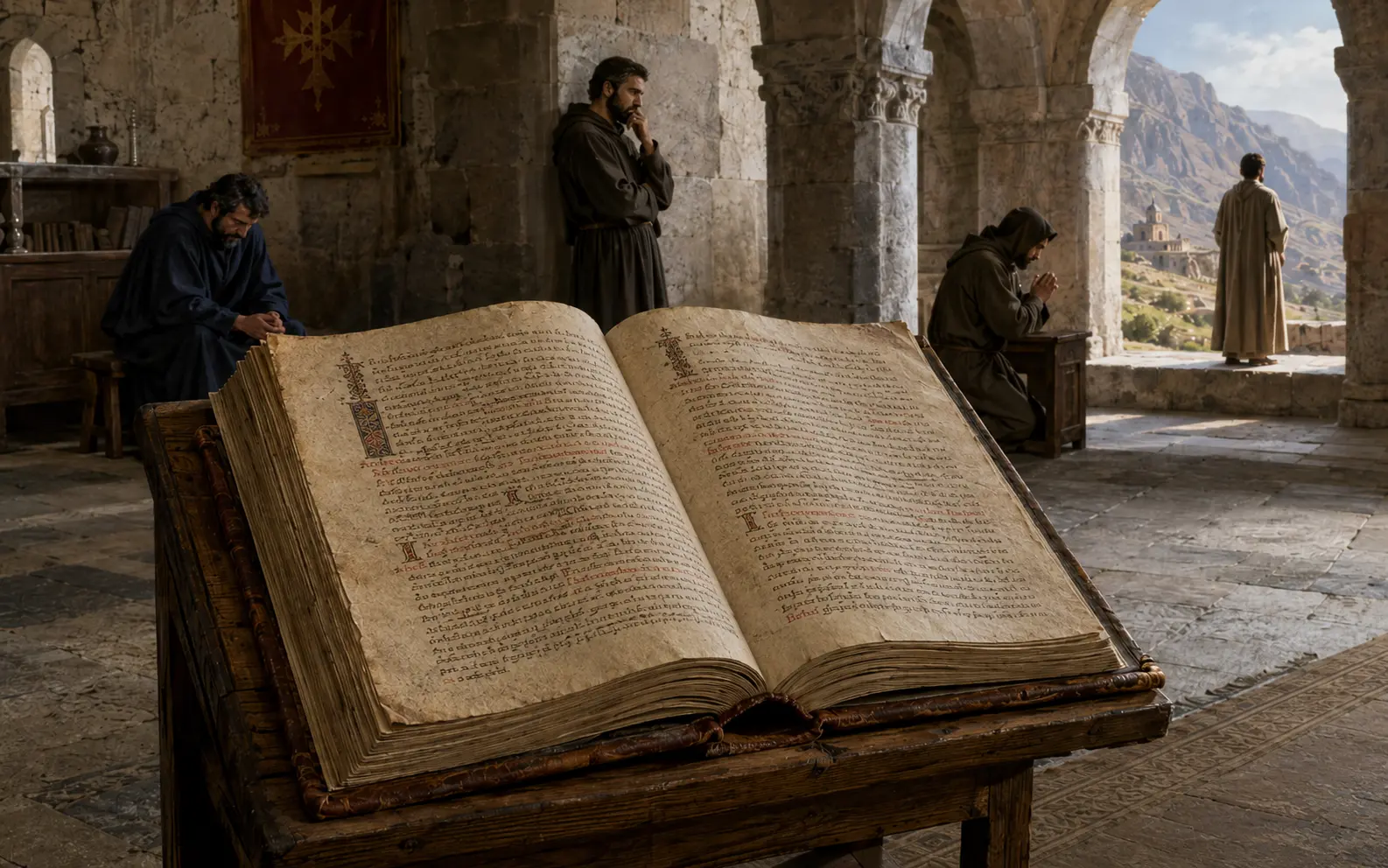
Grigor Narekatsi
Ninety-five discourses addressed to God, written at the monastery of Narek about 1002. After the Gospel it is the most copied book in Armenian. It is known simply as the Narek, and it is not the biblical Lamentations.
Read the summary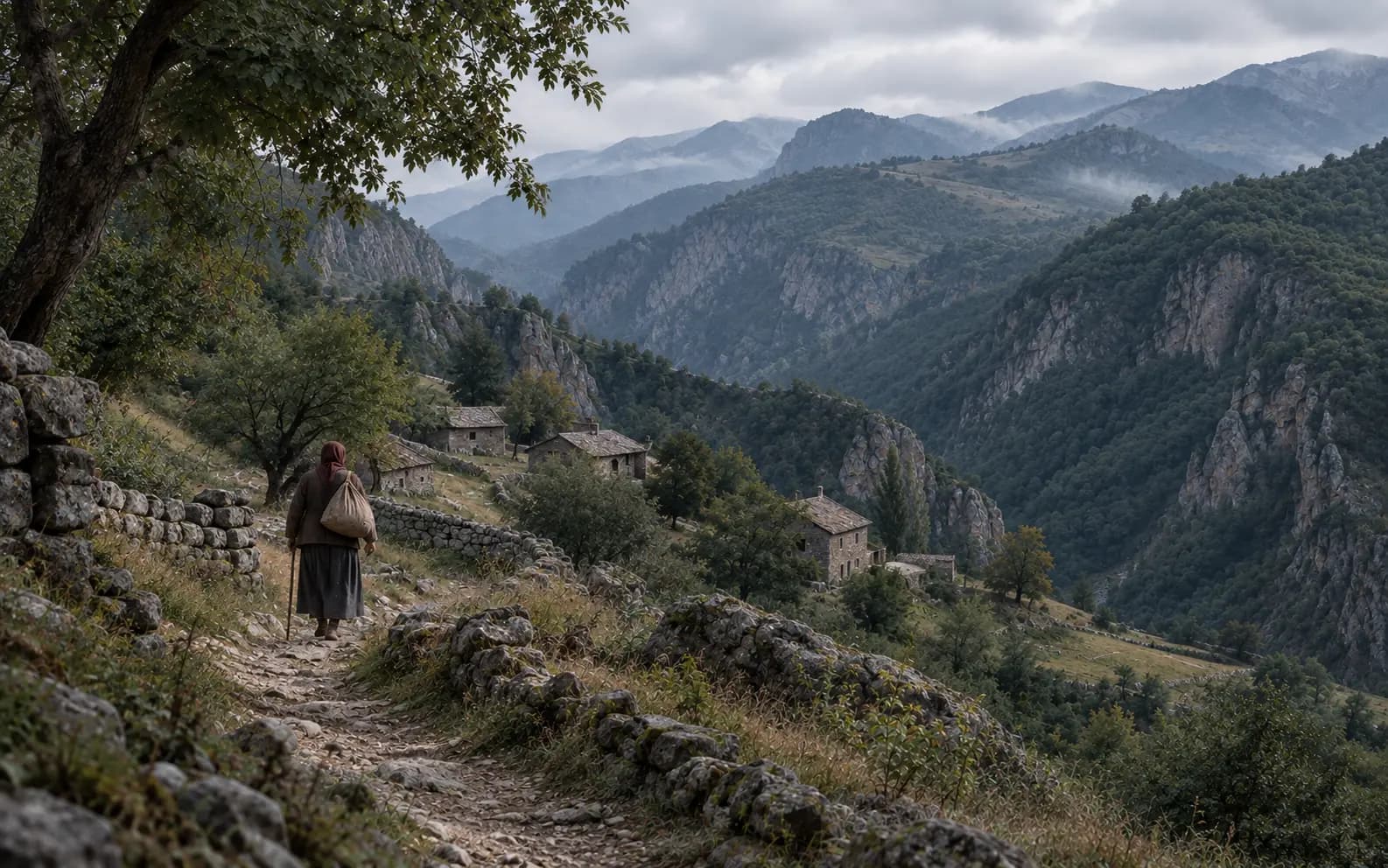
Aksel Bakunts
Eighteen stories of the Zangezur mountains. Bakunts's first book made his name as a prose writer. It was published at Yerevan in 1927 and translated into English as The Dark Valley.
Read the summary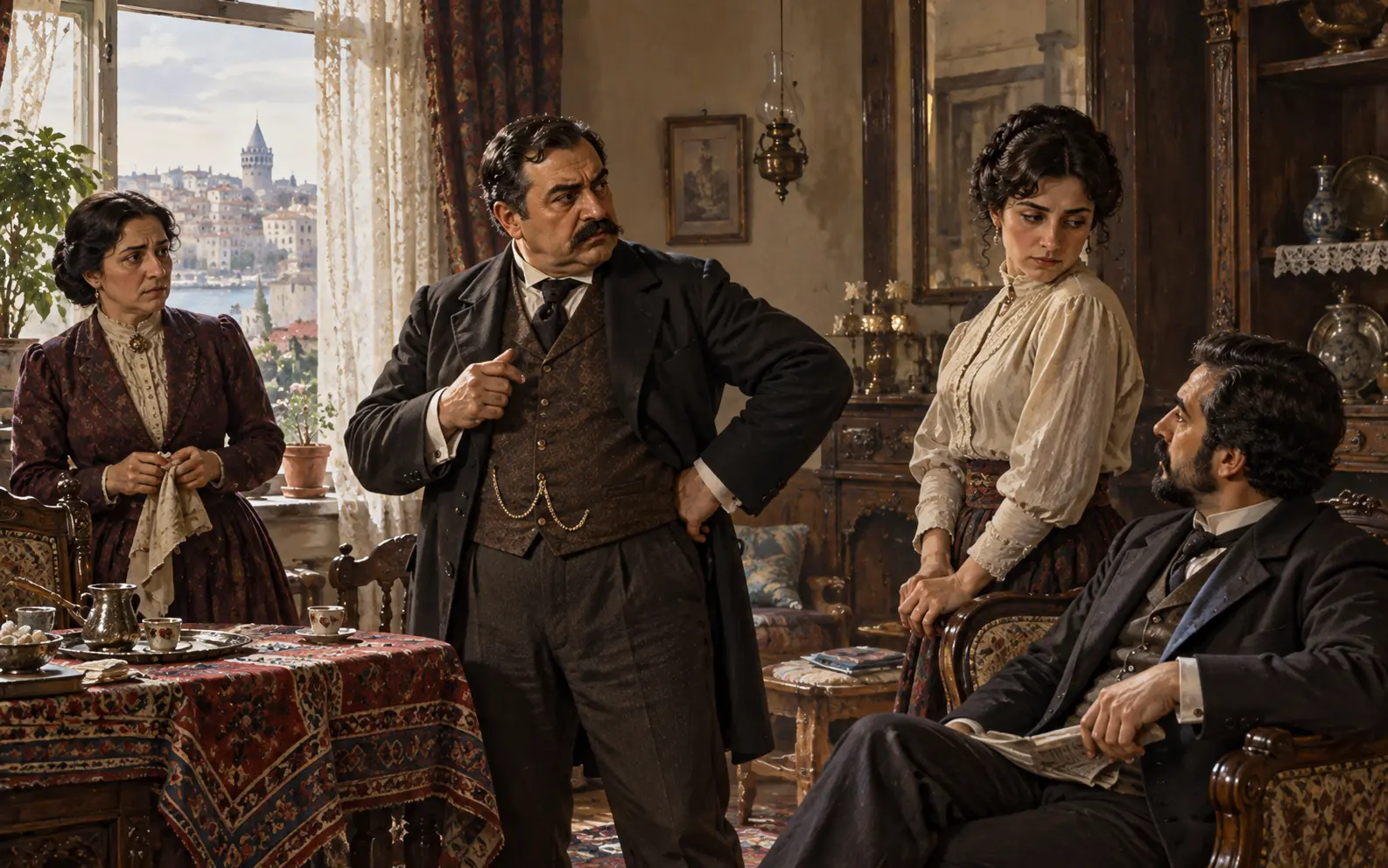
Hakob Paronyan
A prosperous Constantinople Armenian catches his wife with her lover and takes his case to the community's own tribunal, which rules that what he saw was only an optical illusion. Paronyan's only play was written in 1886 and first staged in 1895, after his death.
Read the summary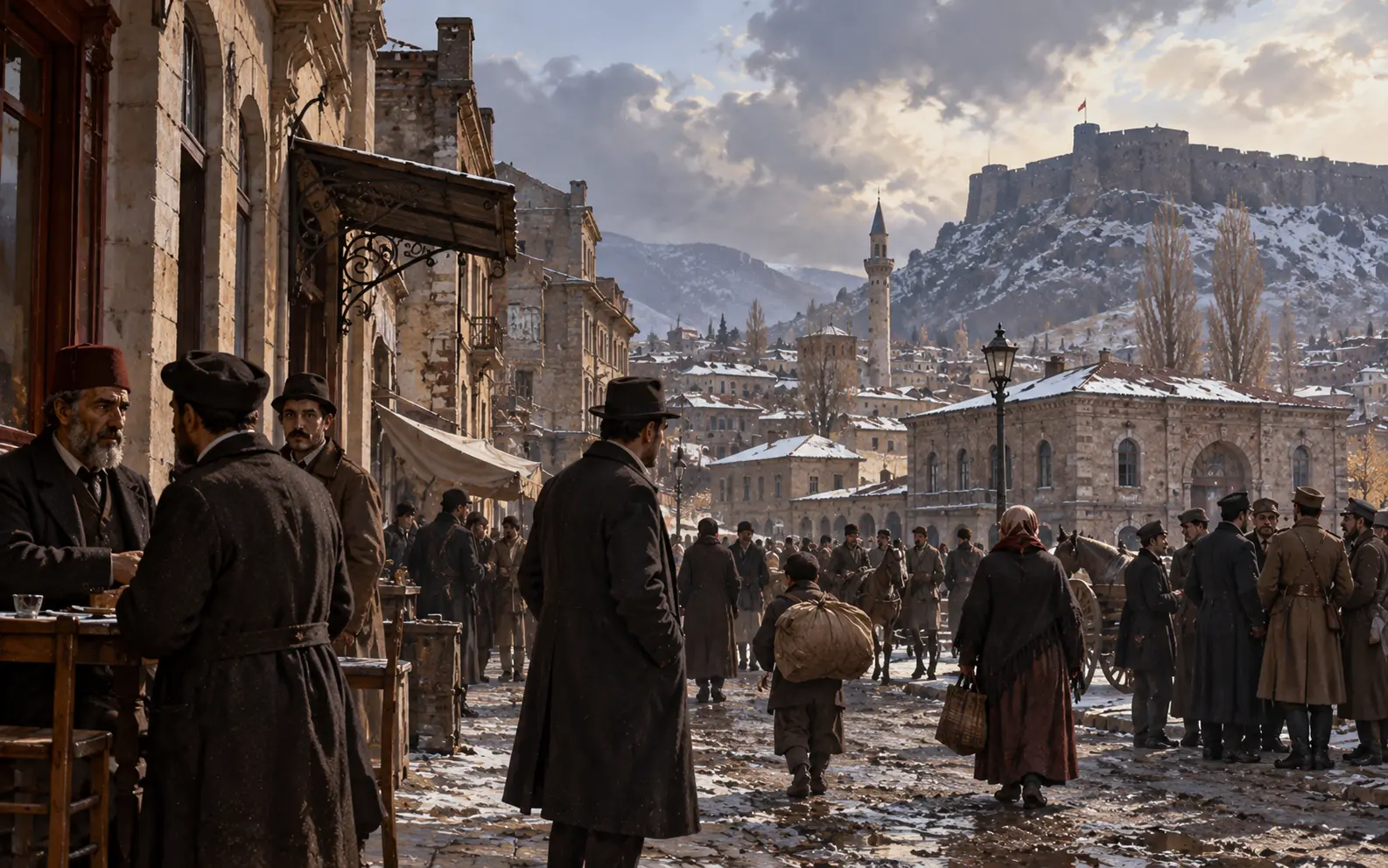
Yeghishe Charents
A satirical, self-consciously modern "poem-like novel" about the last years of Kars, Charents's own birthplace. Its narrator insists the city had no heroes. Written in 1921–1925 and published in 1926, it is often called the first modernist Armenian novel.
Read the summary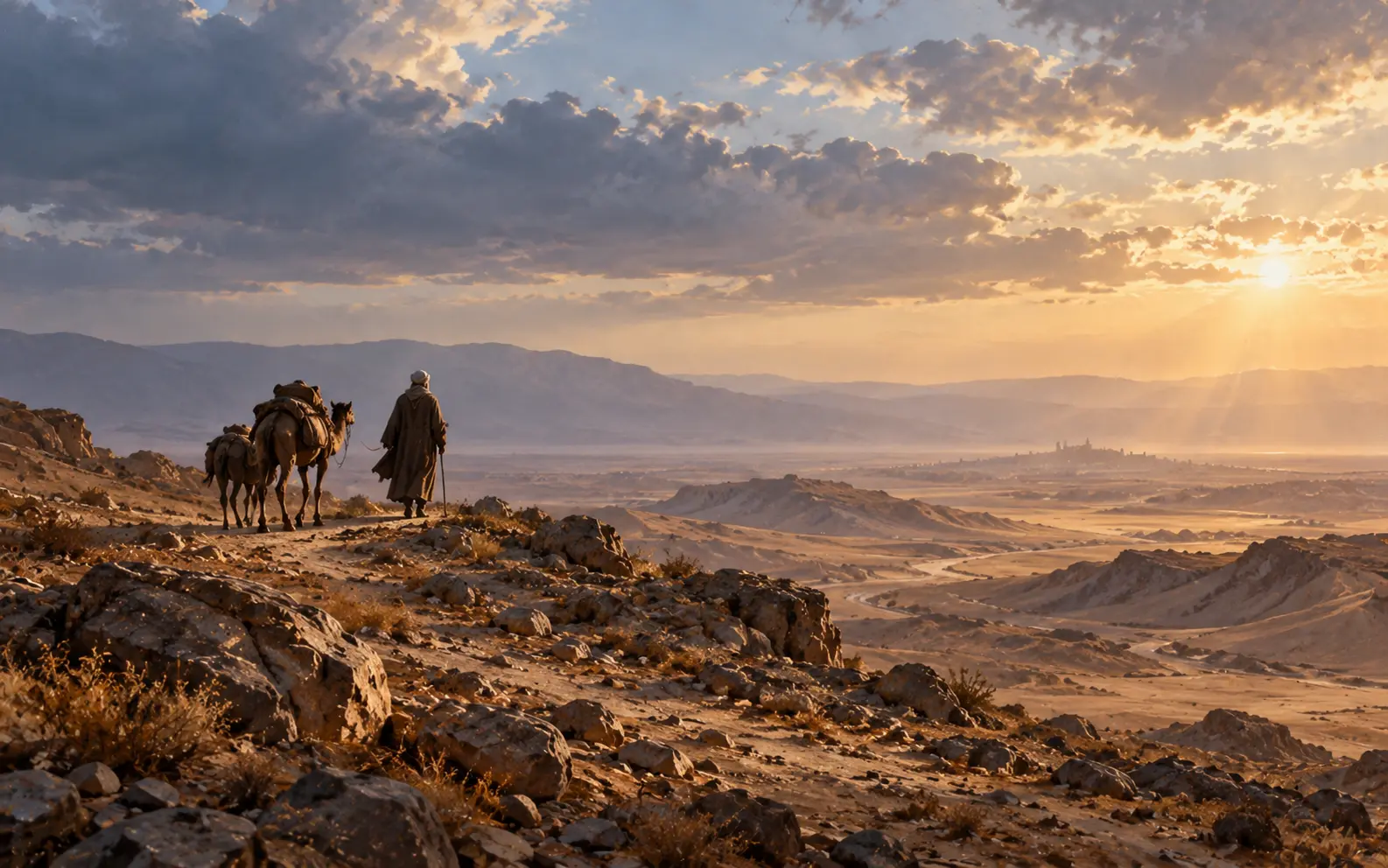
Avetik Isahakyan
A famous poet of Baghdad, named after the Arab poet al-Maʿarrī but not a portrait of him, gives away his wealth and leads his caravan into the desert, renouncing one social bond after another. A major philosophical poem by Isahakyan, a meditation on freedom and its cost.
Read the summary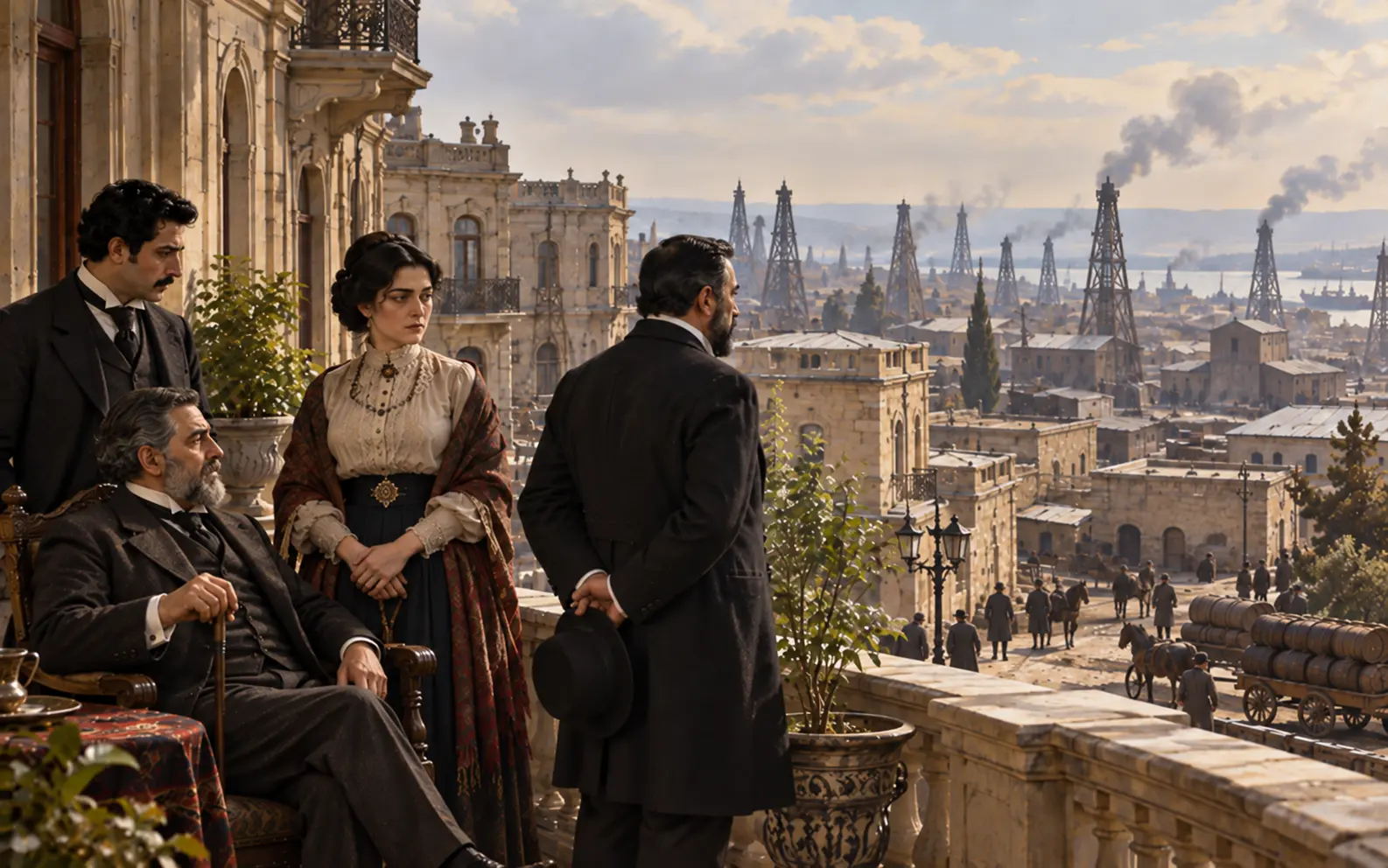
Alexander Shirvanzade
An oil magnate dies in a boom-town on the Caspian, and his will sets his family against itself. Shirvanzade's novel of Baku's new money, and what it does to inheritance, marriage and family authority.
Read the summary